
Navratri Fasting Recipes | Vrat Ka Khana | Navratri Fasting Procedure And Rules
Navratri or Navarathri is one of the important Hindu festivals. Vrat ka khana or Navratri fasting recipe also goes very well in another fasting like Janmashtami, Shivratri, and Ekasdshi.
Please find the details in Navratri fasting procedure & rules, do’s & don’t’s and much more.
Goddess Durga is worshipped during this time in her 9 different forms. Read more about Navratri here. Some people keep all 9 days fats and follow very strict diet.
However some plan to keep first and last day out of 9 days. All whoever observing fast refrain from onion and garlic.
During fasting, we follow some general guidelines. With minor changes, almost similar rules are applicable for other fasting days as well.
- 1 What is the Navratri Festival?
- 2 How Navratri is celebrated?
- 3 Guideline to follow for fasting days
- 4 Food allowed in Navratri Fasting | Vrat or upvas Ka Khana
- 5 Foods not allowed in Navratri fasting
- 6 Disclaimer
- 7 Navratri Fasting Recipes | Vrat Ka Khana | Upwas Ka Khana
- 8 Frequently asked questions
Navratri mean, Nav- nine, ratri- nights. It is a festival of nine days where goddess Durga is worshipped in all her different forms including Lakshmi and Saraswati. The 10th day is Vijayadashmi or Dussehra.
This year Navratri begins from 17 October 2020 and ends on 26 October 2020. Each day is devoted to different forms of Goddess Durga and consider a different color for each day.
During this festival, devotees observe fast and worship the goddess.
The nine manifested forms of Goddess Durga (Gauri) are Shailaputri, Brahmacharini, Chandraghanta, Kushmanda, Skandamata, Katyayani, Kaalratri, Mahagauri, and Siddhidhatri.
These nine forms of Durga, are worshipped as “Navadurga” in the Navratri festival.
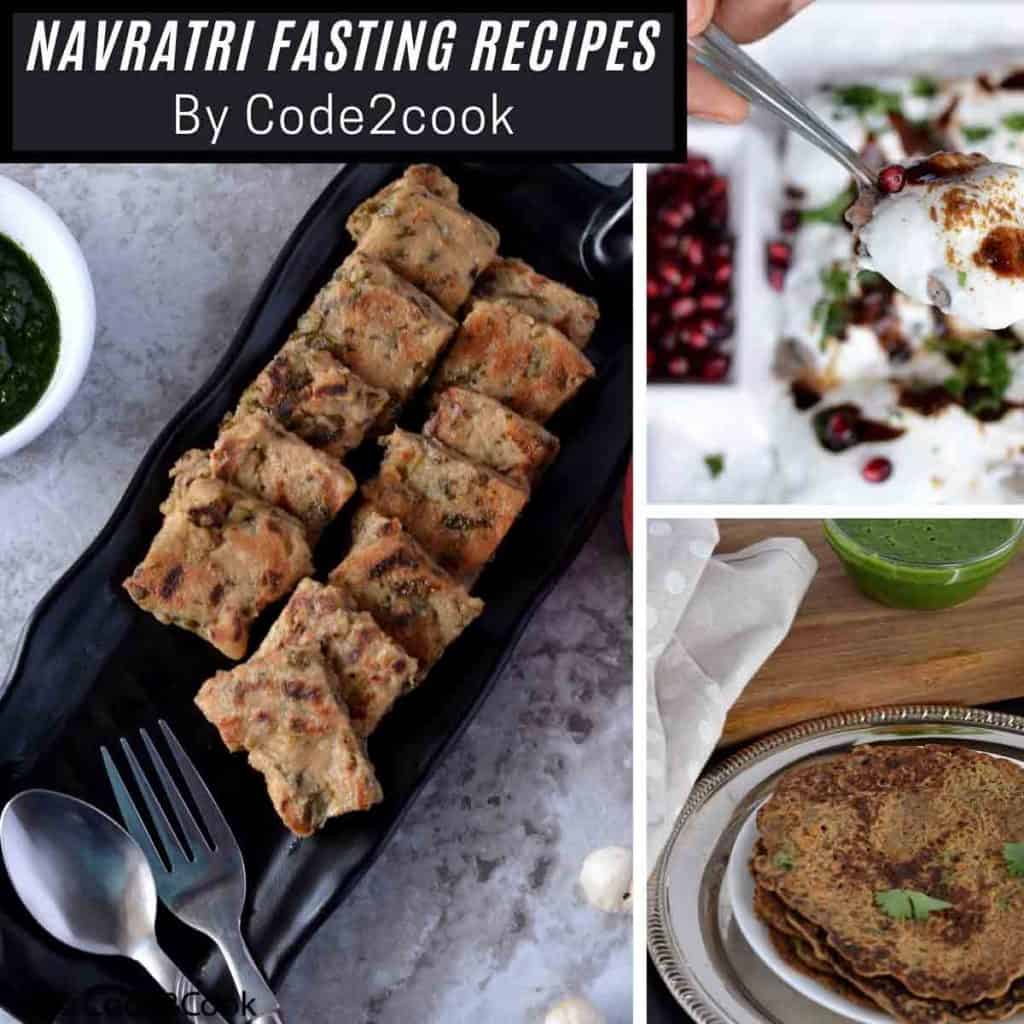
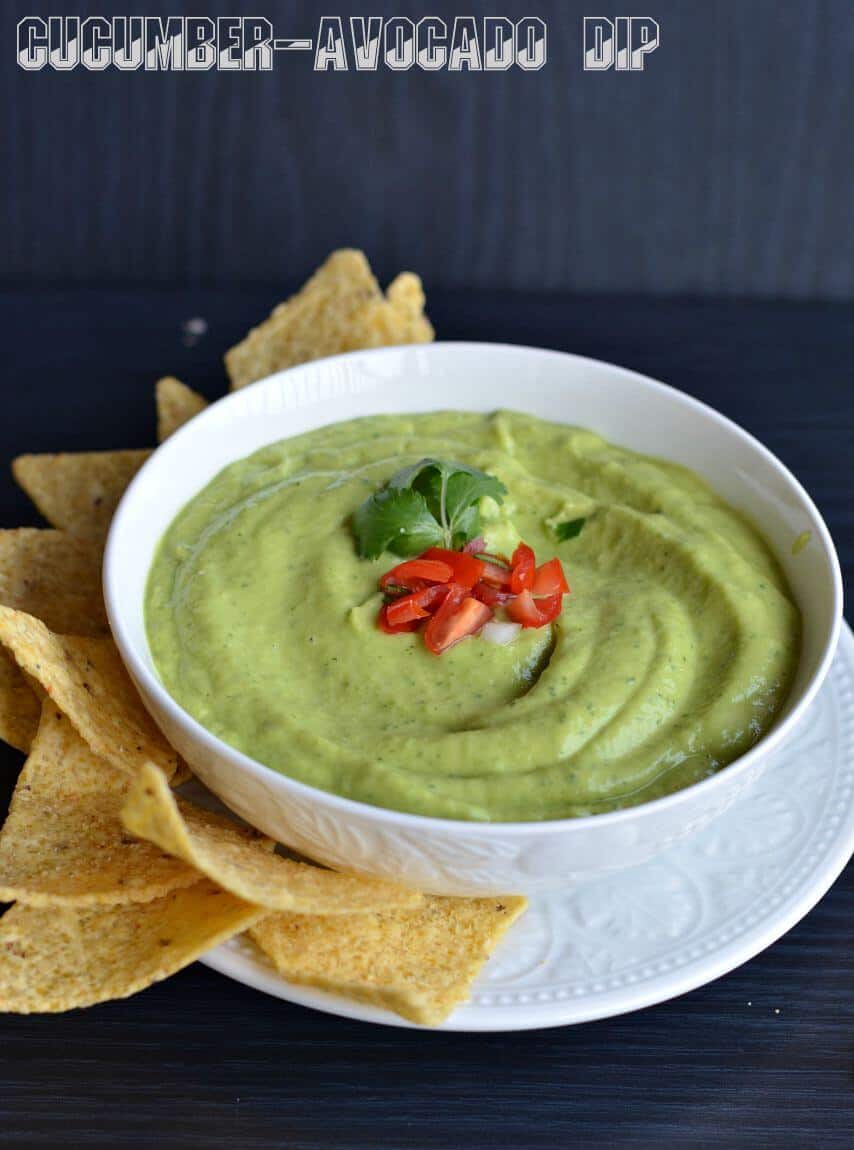
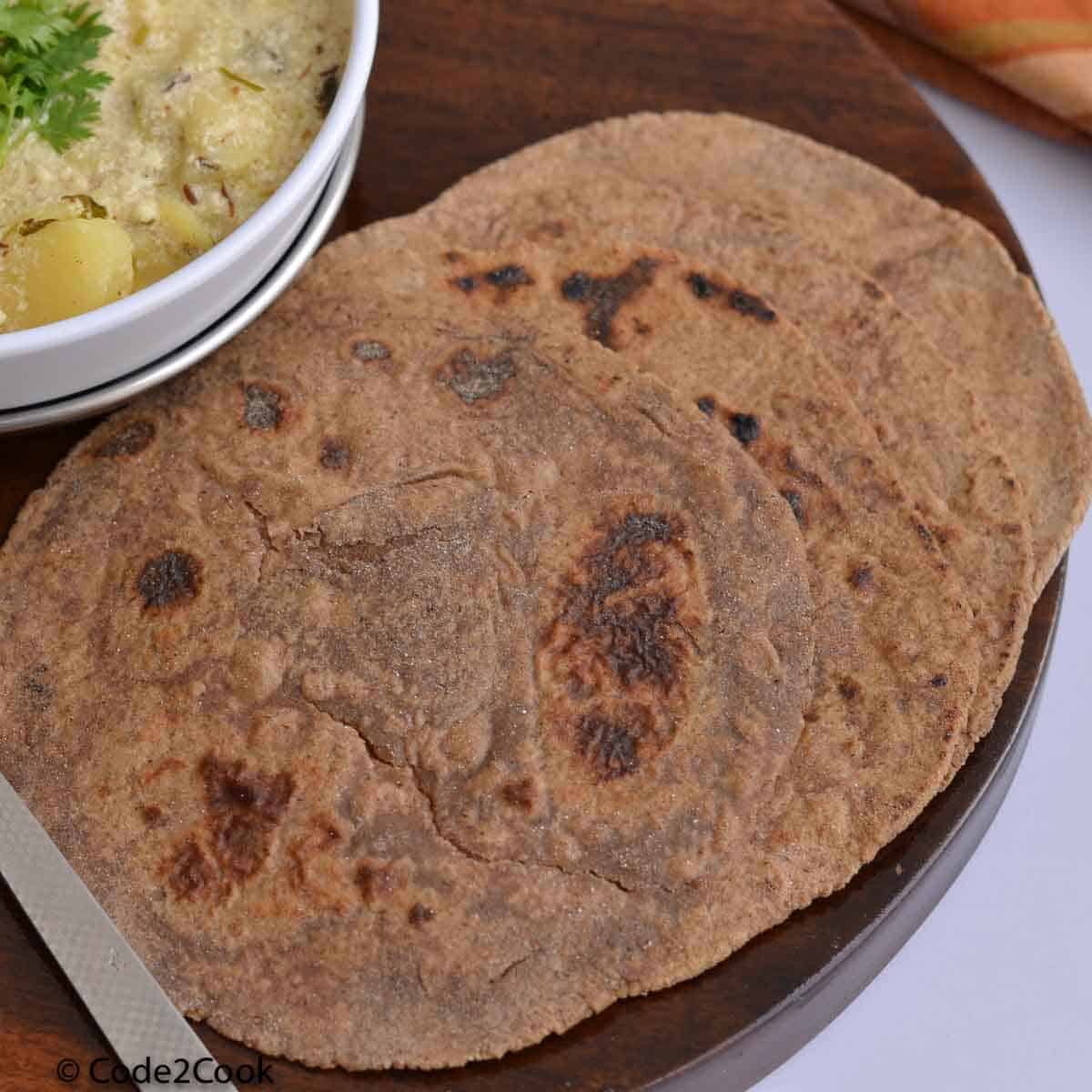
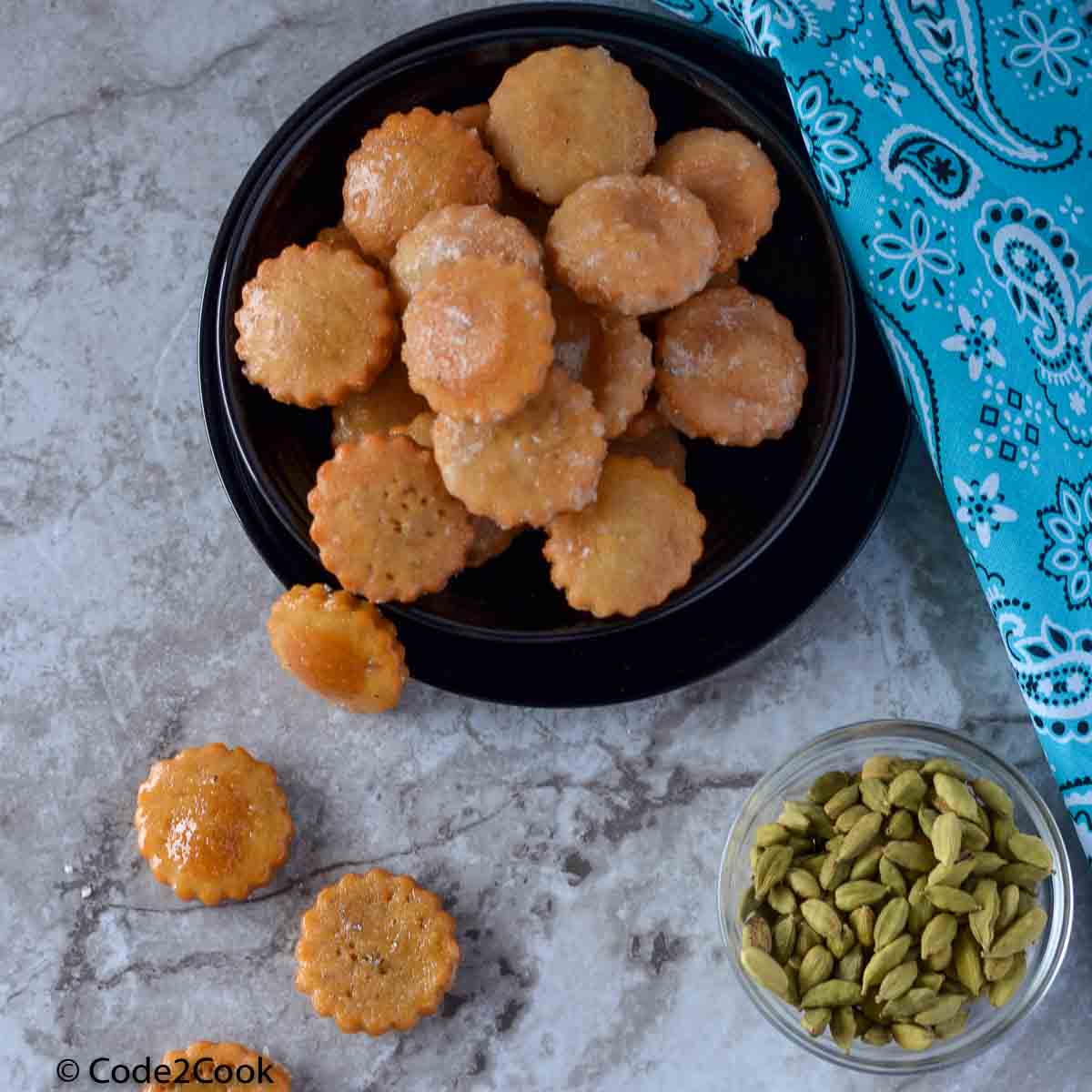
Navratri Recipes, 25+ collection of Navratri vrat recipes, or Navratri fasting recipes. Navratri vrat ka khanna includes snack recipes, desserts, beverages & many more healthy recipes.
Durga Pooja, Ramlila, Garba, and Golu are very famous customs, celebrated in different parts of India during nine days.
The traditional method of the celebration includes fasting for a day, or partially for every nine days, and worshipping the goddess Durga.
There are restrictions over food that to eat during Navratri fasting days which I am covering in the next heading.

Guideline to follow for fasting days
- People who observe fasts, they take bath in the morning first and then perform pooja(worship) by lighting a diya (lamp) and agarbatti.
- After the sunset, again the same process of pooja performed.
- Pooja always starts with Ganesh Vandana.
- During these days no hair cut and shaving is allowed.
- People consume food as per their beliefs, some eat only one time in 24 hrs, whereas for some 3 meals a day is also fine.
- Food is consumed only after morning pooja and in the evening after offering navaidyam to Goddess Durga or Matarani.
Check these few homemade pantry staple recipes which will help you observing Navratri fast fuss-free.
- Flours and Grains – Arrowroot flour(same as Hindi name), sabudana (tapioca pearl), sabudana atta (tapioca flour), kuttu ka atta (buckwheat flour), rajgira atta (amaranth flour), singhade ka atta(chestnut flour), samo rice (barnyard millet), samo rice atta (barnyard millet flour).
- Fruits – All kinds of fruits can be consumed.
- Vegetables – In vegetable lauki (bottle gourd), kaddu (pumpkin), aloo (potato), arbi (colocasia), shakarkand (sweet potato), carrot, kaccha Kela (plantain), cucumber and tomato are also used in some places as per their customs.
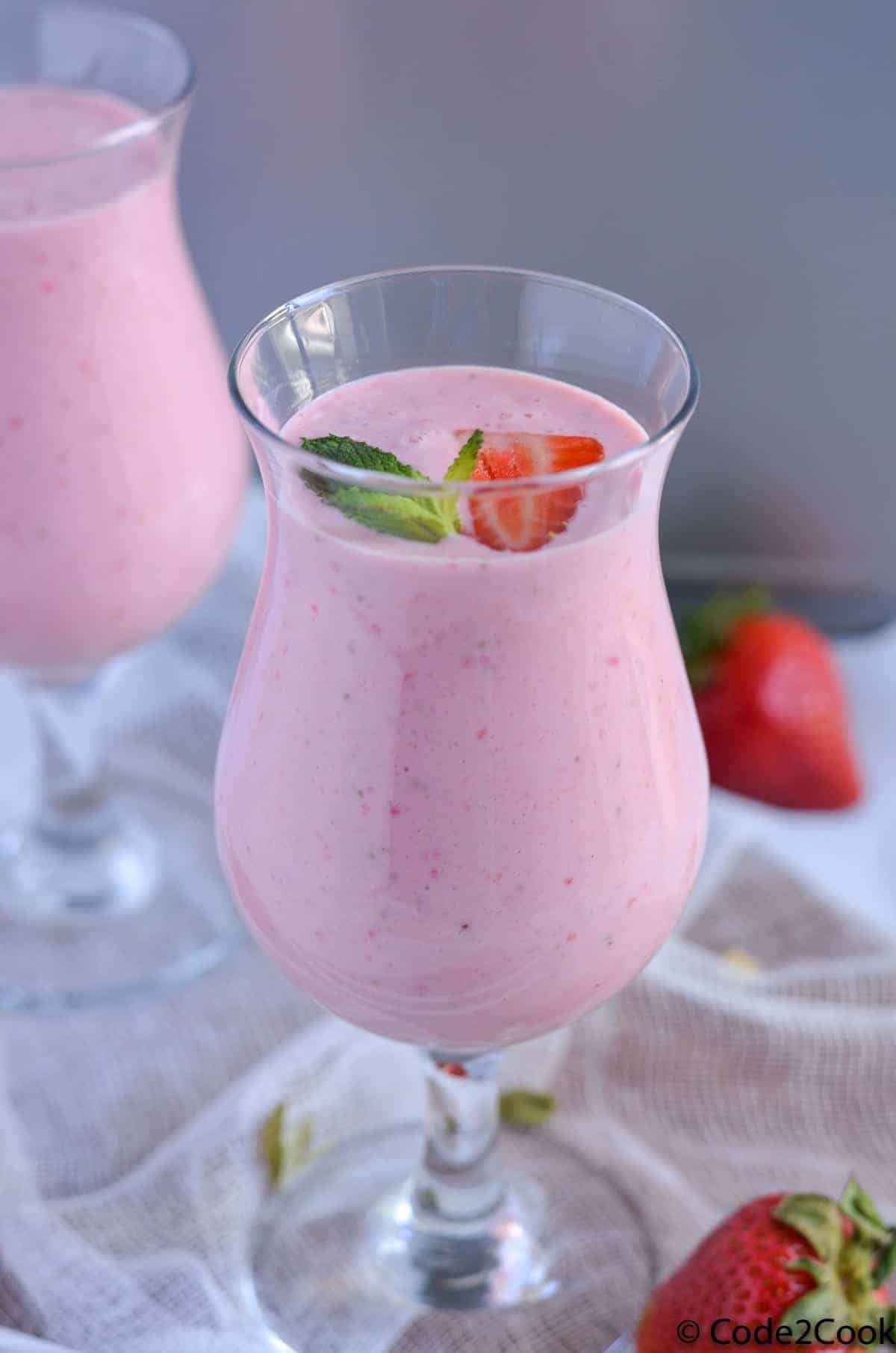
- Milk Products – Milk, curd, paneer, homemade butter, ghee, condensed milk. See homemade curd recipe.
- Dry Fruits – All dry fruits are allowed to eat. Specially lotus seed, almond, cashew, pista, peanut, magaj ke beej (melon seeds), raisins. Lotus seed and peanut are commonly used.
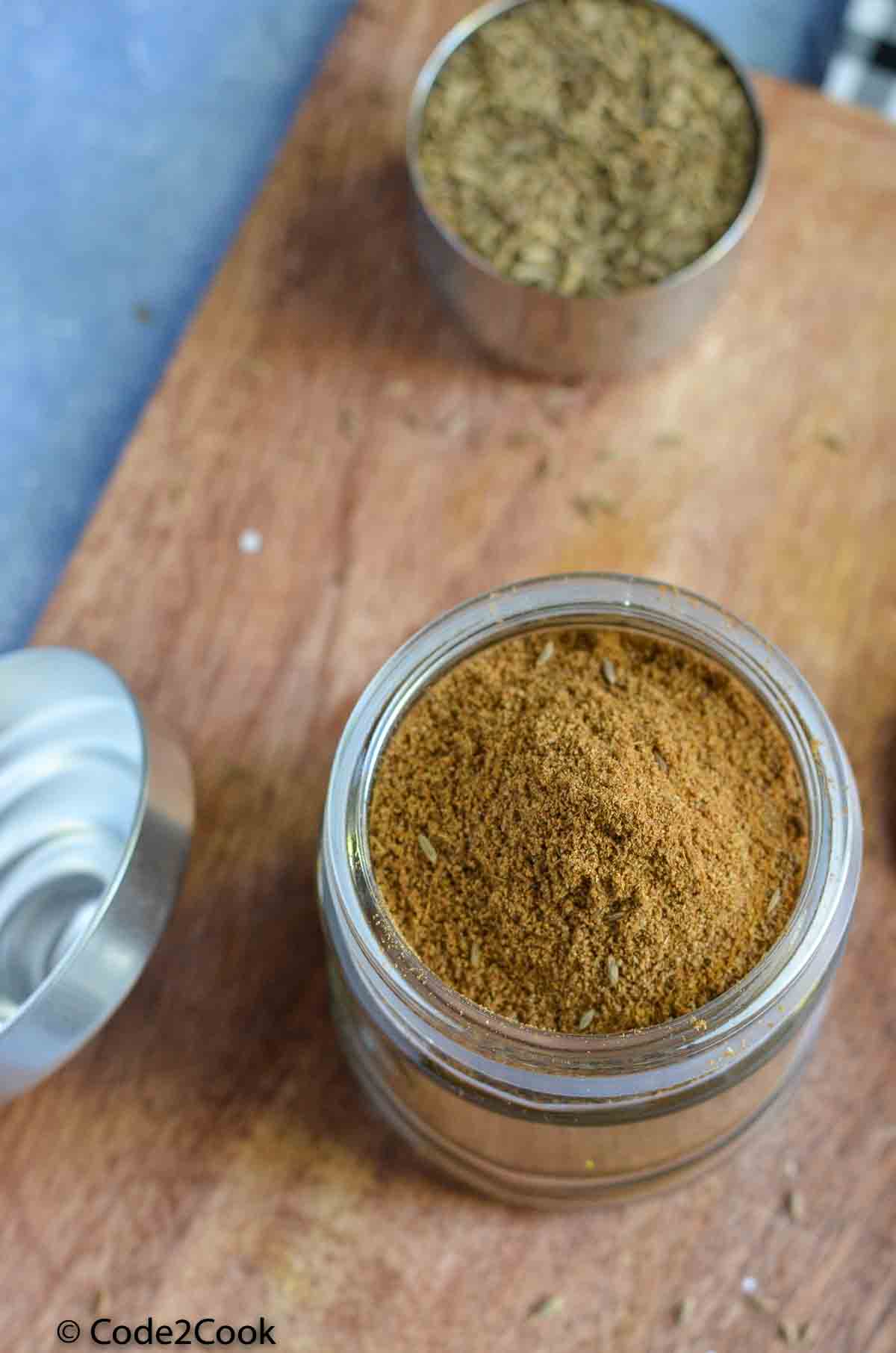
- Spices – Sendha namak (rock salt), sugar, honey, gur (jaggery), cumin seed, peppercorn, some household uses red chili powder, mustard seeds, dry mango powder, and whole spices. However, ask from your elders. you can check how to make roasted cumin powder.
- Garnishing – Green chili, green coriander, ginger, and lemon juice.
- Cooking oil – Most of the time ghee is preferred cooking medium but peanut & sunflower oil works as well. You can see how to make homemade ghee.

- There is no onion & no garlic food is cooked on all nine days.
- No wheat flour, maida, rice, sooji, besan is allowed.
- No normal salt only rock salt or sendha namak used to cook.
Disclaimer
Here I listed recipes that are suitable for fasting or vrat or upwas and can be customized as per each household preference of ingredients.
However, I request you to consult with your family just in case if any ingredient should be avoided or included. These are general guidelines documented as per my knowledge and the way my mother did.
Replace salt with sendha namak or rock salt in the below recipes. And avoid using turmeric as per requirement.
This is the entire collection of farali recipes or vrat ka khana. You can prepare a Navratri Meal Plan by using these Navratri recipes.
Avoid turmeric powder, replace plain salt with sendha namak or rock salt, and anything that’s you don’t use during fasting in recipes. Use the guidelines as mentioned above.
★ Did you make this recipe? Please give it a star rating below! For more quick & easy recipes, FOLLOW ME on Facebook, Twitter, YouTube & Pinterest.
 Peach Chutney Peach Chutney |  Sama Rice Paratha Sama Rice Paratha |  |
|---|---|---|

| 
| 
|

| 
| 
|

| 
| 
|
| 
| 
|
| 
| 
|
| 
| 
|

| 
| 
|

| 
| 
|

| 
| 
|

| 
| 
|

| 
| 
|
 Strawberry lassi | 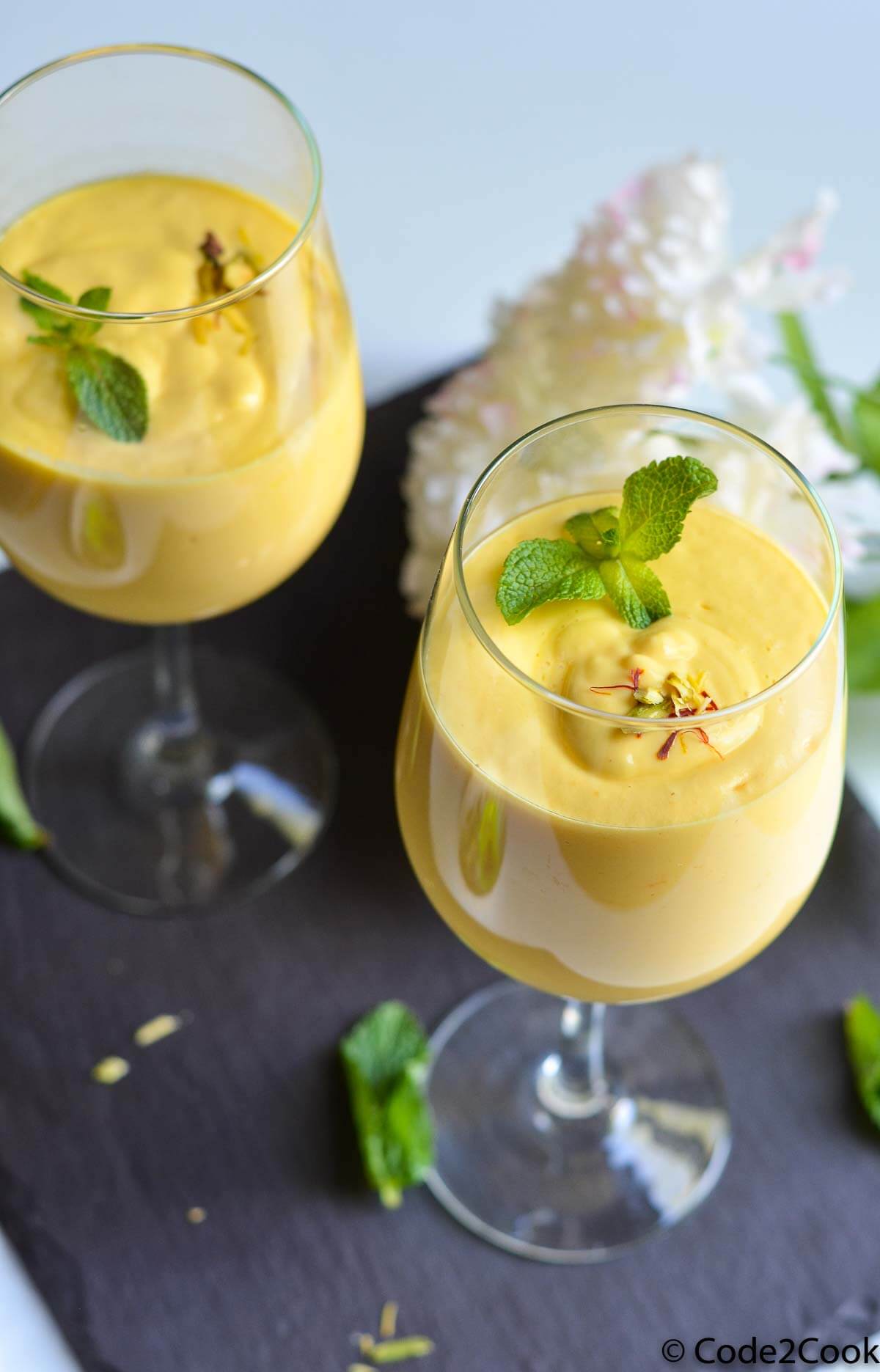 Mango Lassi |  Homemade ghee |
 How to make roasted cumin powder |  Homemade yogurt/curd Homemade yogurt/curd | |
Frequently asked questions
This is the food list which are allowed to consume on fasting days.
Flours and Grains – Arrowroot flour(same as Hindi name), sabudana (tapioca pearl), sabudana atta (tapioca flour), kuttu ka atta (buckwheat flour), rajgira atta (amaranth flour), singhade ka atta(chestnut flour), samo rice (barnyard millet), samo rice atta (barnyard millet flour).
Fruits – All kinds of fruits can be consumed.
Vegetables – In vegetable lauki (bottle gourd), kaddu (pumpkin), aloo (potato), arbi (colocasia), shakarkand (sweet potato), carrot, kaccha Kela (plantain), cucumber and tomato are also used in some places as per their customs.
Milk Products – Milk, curd, paneer, homemade butter, ghee, condensed milk.
Dry Fruits – All dry fruits are allowed to eat. Specially lotus seed, almond, cashew, pista, peanut, magaj ke beej (melon seeds), raisins. Lotus seed and peanut are commonly used.
Spices – Sendha namak (rock salt), sugar, honey, gur (jaggery), cumin seed, peppercorn, some household uses red chili powder, mustard seeds, dry mango powder, and whole spices. However, ask from your elders.
Garnishing – Green chili, green coriander, ginger, and lemon juice.
Cooking oil – Most of the time ghee is preferred cooking medium but peanut & sunflower oil works as well.


Amazing collections and beautifully written post Bhawana…you have very well explained about the must food during vrat
Thanks Lathiya for appreciating this vrat recipes collection.
Awesome collection of vrat recipes ! Loved the informative article as well.
Thanks Poonam, I am glad you like this Navratri recipe collection.
What a lovely information as well as awesome collection you have here dear. Perfect for ongoing days !!!
Thanks Sasmita for liking Navratri recipe collection.
Such a lovely collection Bhawana. I will come back again to refer these recipes.
Thanks for liking Navratri Collection.
Great collection of recipes and good write up on Navratri fasting rules. So many ideas to select from 🙂 I have already tried peanut laddus from your list! 🙂 I always had the confusion on chilies. I know turmeric is not allowed because it produces heat in the body. Shouldn’t it be the same for chilies and also ginger 😮
Thanks so much, Ashima for appreciation. I hope laddus came out good. Actually green chilies we use but ginger is used in other households. It all depends on customs people follows.
Beautiful collection of recipes for Navratri fasting. Thanks for sharing.
Thanks dear for liking.
Very informative and detailed post! Thanks for sharing this 🙂
Thanks Freda I am glad that you liked it.
What a wonderful collection of Navratri friendly dishes. Have to try out the dosa and the kuttu ke parathe.
Thanks Mayuri di for appreciating. I am glad.
What a lovely collection of vrat ka khana, simple, delicious and easy to make recipes that can be enjoyed by all.
Thanks for liking Navratri vrat collection.
Awesome collection of Navratri recipes with detailed information….Very useful post to refer while fasting…Thanks for sharing!!
Thanks Padma for appreciating.
Great collection of upvaas/vrat recipes 🙂 Bhawana
Thanks for sharing 🙂
Thanks Varsha for liking Vrat ka khana recipes.
This is such a informative and helpful post for those fasting in Navratri, all the recipes are just awesome, lovely share.
Thanks Soma for liking fasting recipes collection.
Lovely collection of Navratri recipes will pass on to friends who follow Navratri. I am a bong so during Durga Puja when the rest of India fasts and observes Navratri we Bengalis, on the other hand, are knee deep in Non-Veg food and celebrate the goddess with food…Lol!
Thanks Meghna, yeah I know for Bengalis it is Durga Puja. I love it when I see ladies wearing red saree and play with sindoor. want to participate once.
Nice collection of fasting recipes ? Bhawana.
Thanks for sharing ?
Thanks Sachin for appreciating this Navratri recipe collection.
Beautiful collection of dishes!!!! You have given very good information about what to eat and what not 🙂 Thanks for sharing!
Thanks Vanisha for appreciating Navratri fasting recipe collection.